
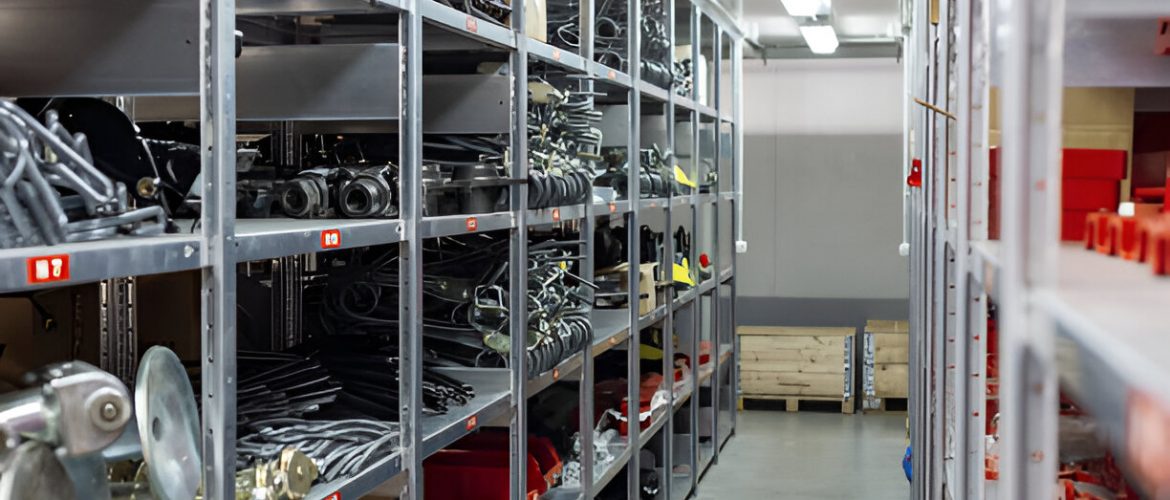
Transporting car spare parts might sound like a simple task: pack, ship, and deliver the item. But in reality, the process is anything but straightforward. With the growing demand for fast deliveries and precision-based repairs, logistics for car parts requires deep coordination, technical awareness, and industry-specific expertise.
Whether you’re running an automotive repair garage, managing a dealership, or operating a spare parts distribution business, the way you transport your parts can make or break your operation. A minor mistake during transit can lead to damaged parts, delayed services, customer dissatisfaction — and, in many cases, financial losses.
Below, we highlight the top five Challenges of Spare Parts Supply Chain and proven, actionable solutions that logistics providers and auto businesses can implement to avoid disruptions.
1. Fragility and High Value of Components
Car spare parts — especially for luxury, hybrid, and performance vehicles — are expensive and extremely delicate. Components like Electronic Control Units (ECUs), turbochargers, braking systems, infotainment displays, and transmission modules contain sensitive electronics and fragile housings. Even a small bump during loading or an unexpected shift in the cargo can lead to irreparable damage.
The Solution:
Use customized, shock-resistant packaging explicitly designed for automotive parts. High-value components should be wrapped in anti-static bags, surrounded by foam inserts, and placed inside double-walled boxes. Items must be tightly packed to avoid internal movement.
Clear and visible labeling, such as “Fragile,” “This Side Up,” or “Handle with Care,” also helps reduce mishandling. For extremely sensitive parts, consider temperature-controlled transport or dedicated vehicles that ensure maximum protection from external factors like heat, vibration, or humidity.
2. Varied Shapes, Sizes, and Weights
Car parts vary significantly in size and shape, from something as small as a fuse or bolt to something as large and awkward as a bonnet or windshield. This variety creates primary packaging and storage complications, particularly when orders include a mixed inventory of components.
The Solution:
Instead of trying to fit everything into one box, segment your parts based on size, fragility, and weight. Use modular packaging systems that allow flexibility in storage and arrangement.
Invest in palletization techniques for more significant components and use strong shrink wrap, strapping, and corner supports to ensure parts stay in place. Lightweight or hollow parts such as bumpers or body panels must be secured with foam or honeycomb dividers to prevent flex or denting. Crates or containers with custom-fit foam cut-outs can be helpful for irregularly shaped or cumbersome items.
3. Urgency of Delivery and Tight Timelines
In the automotive sector, time is everything. Customers expect same-day repairs, and garages or service centers can’t afford to keep vehicles idle. If the delivery of a spare part is delayed by even a few hours, it can impact workflow, increase customer dissatisfaction, and strain business relationships.
This becomes even more critical when dealing with fleet services, emergency vehicles, or commercial transport vehicles that depend on fast turnaround.
The Solution:
Work with logistics providers who specialize in express, time-critical deliveries. Same-day, next-day, or even just-in-time logistics can save valuable hours in tight situations.
Invest in a shipping solution that offers real-time tracking, delivery confirmations, and live status updates.
Many advanced logistics companies in the UAE now provide API integration for businesses, allowing seamless updates between inventory management systems and delivery partners.
Plan by creating inventory buffers for fast-moving spare parts so you’re not always dependent on emergency orders.

4. Regulatory Compliance and Customs Delays
Things can get tricky when importing or exporting spare parts in or out of the UAE. Automotive spare parts, especially those involving electronics or safety systems, may be subject to specific import regulations, certifications, or taxes. Misclassified shipments can lead to delays, fines, or even confiscation of goods at customs.
In many cases, customs authorities require part-specific documentation such as origin certificates, HS codes, serial numbers, and invoices with exact part descriptions.
The Solution:
Work with a logistics partner who is experienced in automotive customs clearance. These professionals are familiar with UAE Federal Customs Authority regulations and know how to manage HS code classification, clearance documents, and any temporary import procedures (especially for warranty returns).
Ensure all paperwork is prepared in advance and verified for accuracy. Always include commercial invoices, packing lists, and any required certification documents. When applicable, use ATA Carnets or temporary export permits for exports.
Maintaining an organized digital record of all customs documents and transaction histories can also streamline future shipments.
5. Lack of Industry-Specific Transport Knowledge
Not all logistics companies understand the unique nature of automotive logistics. General transport companies may use standard handling methods or vehicles unsuitable for spare parts. This lack of niche expertise often leads to mismatched storage, poor loading decisions, or even wrong delivery scheduling — all of which can hurt your reputation and customer experience.
The Solution:
Choose movers in Dubai that offer specialized transportation for car spare parts. These companies have trained personnel, know how to pack and position parts to minimize vibration or impact, and often have insurance coverage tailored for automotive shipments.
Some logistics companies also provide white-glove services, temperature-controlled delivery, and end-to-end visibility — offering peace of mind, especially for high-stakes deliveries.
Final Thoughts: Don’t Let Logistics Stall Your Business
At first glance, transporting car spare parts is another shipping task. But dig deeper and realize it’s a precision operation where even a minor misstep can lead to significant problems.
From component fragility to tight delivery timelines, each challenge requires a smart, proactive approach. Businesses that invest in the right packing systems, delivery partners, and compliance procedures can dramatically reduce risks and improve operational efficiency.
If you’re in Dubai and looking for a reliable auto parts logistics provider, consider working with specialists who understand the unique needs of the automotive sector. Not only will they ensure safe handling and fast delivery, but they’ll also help you maintain service excellence, customer loyalty, and a competitive edge.

No comments yet.